Introduction:
Safety has always been a top priority in the automotive industry, and advancements in technology have played a crucial role in making roads safer for drivers, passengers, and pedestrians alike. From the introduction of seat belts to the development of advanced driver-assistance systems (ADAS), car safety features have evolved significantly over the years, reducing the risk of accidents and saving countless lives. In this article, we’ll explore the latest innovations in car safety technology and how they’re reshaping the future of transportation.
The Evolution of Car Safety:
The concept of car safety dates back to the early 20th century when engineers began experimenting with ways to protect occupants in the event of a crash. One of the most significant advancements came in 1959 when Volvo engineer Nils Bohlin invented the three-point seat belt, a design that remains the standard for safety belts to this day. The widespread adoption of seat belts, along with improvements in crashworthiness and vehicle design, helped reduce the severity of injuries in car accidents and laid the groundwork for future safety innovations.
Advanced Driver-Assistance Systems (ADAS):
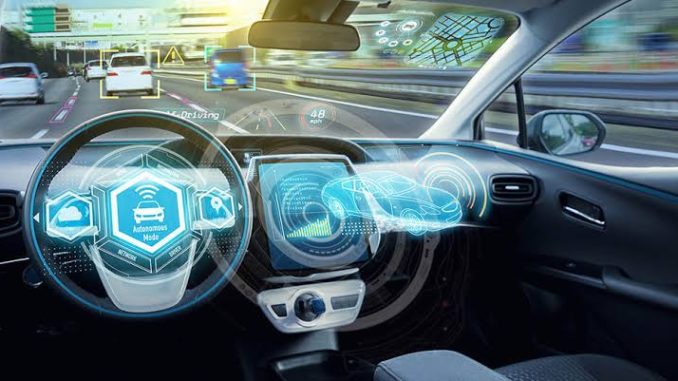
In recent years, the automotive industry has seen a rapid proliferation of advanced driver-assistance systems (ADAS) designed to help drivers avoid accidents and mitigate the severity of collisions. These systems use a combination of sensors, cameras, and radar to monitor the vehicle’s surroundings and provide real-time feedback to the driver. Examples of ADAS features include adaptive cruise control, lane-keeping assist, automatic emergency braking, and blind-spot monitoring, all of which work together to enhance safety on the road and reduce the risk of accidents caused by human error.
Crash Avoidance Technologies:
In addition to ADAS, car manufacturers are increasingly incorporating crash avoidance technologies into their vehicles to prevent accidents from occurring in the first place. One such technology is electronic stability control (ESC), which helps drivers maintain control of their vehicles during emergency maneuvers or slippery road conditions by selectively applying brakes to individual wheels. Another example is forward collision warning (FCW) systems, which use sensors to detect potential collisions with other vehicles or obstacles and alert the driver to take evasive action. These technologies have been shown to significantly reduce the likelihood of accidents and are now standard features on many new cars.
Autonomous Emergency Braking (AEB):
One of the most significant advancements in car safety technology in recent years is autonomous emergency braking (AEB), which automatically applies the brakes to prevent or mitigate a collision if the driver fails to respond to an imminent threat. AEB systems use a combination of sensors, cameras, and radar to detect obstacles in the vehicle’s path and calculate the likelihood of a collision. If the system determines that a collision is imminent, it will alert the driver and, if necessary, apply the brakes to reduce the severity of the impact or avoid it altogether. Studies have shown that AEB can significantly reduce the number of rear-end collisions and save lives by giving drivers an extra layer of protection in emergency situations.
Pedestrian Detection Systems:
In addition to protecting occupants inside the vehicle, car manufacturers are also focusing on protecting vulnerable road users, such as pedestrians and cyclists, with the development of pedestrian detection systems. These systems use advanced sensors and artificial intelligence algorithms to detect pedestrians in the vehicle’s path and automatically apply the brakes if a collision is imminent. By incorporating pedestrian detection technology into their vehicles, car manufacturers are helping to reduce the number of pedestrian fatalities and injuries caused by accidents on the road.
Conclusion:
The advancements in car safety technology represent a significant milestone in the history of automotive innovation, making roads safer for everyone who travels on them. From seat belts to autonomous emergency braking systems, these innovations have saved countless lives and prevented countless injuries by reducing the risk of accidents and mitigating the severity of collisions. As technology continues to evolve, we can expect to see even more advancements in car safety in the years to come, ushering in a new era of transportation where accidents are a thing of the past.