Introduction:
In today’s interconnected world, technology is revolutionizing every aspect of our lives, and the automotive industry is no exception. With the advent of connected cars, vehicles are becoming more than just modes of transportation – they’re becoming intelligent, data-driven platforms that can communicate with each other, with the surrounding infrastructure, and with the digital world at large. In this article, we’ll explore the concept of connected cars, the technologies that make them possible, and the potential benefits and challenges they present.
What are Connected Cars?
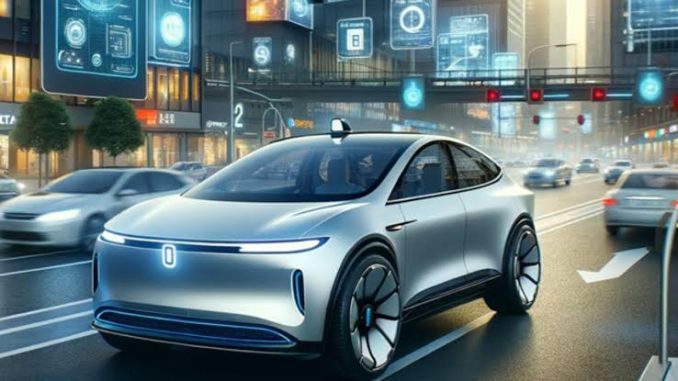
Connected cars are vehicles equipped with internet connectivity and advanced communication technologies that enable them to exchange data with other vehicles, roadside infrastructure, and external servers. These technologies include GPS navigation, cellular communication, Wi-Fi connectivity, and onboard sensors that collect information about the vehicle’s surroundings, performance, and driver behavior. By leveraging this data, connected cars can provide a wide range of features and services, from real-time traffic updates to remote vehicle diagnostics to advanced safety systems.
Key Technologies Driving Connectivity:
Several key technologies drive the connectivity of modern cars, enabling them to communicate with each other and with the world around them. One of the most important of these technologies is cellular communication, which allows cars to connect to the internet and exchange data with external servers and cloud-based services. Cellular networks provide the backbone of connectivity for connected cars, enabling them to access a wide range of features and services, including navigation, entertainment, and remote vehicle management.
Another critical technology for connected cars is Global Positioning System (GPS) navigation, which enables vehicles to determine their precise location and navigate to their destination using satellite signals. GPS navigation systems are essential for providing real-time traffic updates, route guidance, and location-based services to drivers, making it easier to navigate unfamiliar roads and avoid congestion.
In addition to cellular communication and GPS navigation, connected cars also rely on a variety of onboard sensors to collect data about the vehicle’s surroundings and performance. These sensors include cameras, radar, lidar, and ultrasonic sensors, which provide information about nearby vehicles, pedestrians, and road conditions. By analyzing this data, connected cars can detect potential hazards, anticipate traffic patterns, and make informed decisions to enhance safety and efficiency.
Benefits of Connected Cars:
Connected cars offer a wide range of benefits to drivers, passengers, and society as a whole. One of the most significant benefits is improved safety, as connected cars can alert drivers to potential hazards, assist in emergency situations, and even take corrective actions to prevent accidents. For example, connected cars equipped with collision avoidance systems can automatically apply the brakes or steer away from obstacles to avoid collisions, reducing the risk of accidents and saving lives.
Connected cars also offer convenience and comfort features that enhance the driving experience for passengers. For example, connected cars can provide real-time traffic updates, suggest alternate routes to avoid congestion, and even automatically adjust climate control settings based on driver preferences and environmental conditions. Additionally, connected cars can offer entertainment options such as streaming music, podcasts, and videos, keeping passengers entertained during long journeys.
Challenges and Considerations:
While connected cars offer many benefits, they also present some challenges and considerations that need to be addressed. One of the primary concerns is data privacy and security, as connected cars collect and transmit vast amounts of sensitive information about drivers, passengers, and their surroundings. To mitigate these risks, car manufacturers and service providers must implement robust security measures, such as encryption, authentication, and intrusion detection systems, to protect against unauthorized access and data breaches.
Another challenge is interoperability and standardization, as the connected car ecosystem consists of a wide range of devices, protocols, and platforms that need to work together seamlessly. To ensure interoperability and compatibility, industry stakeholders must collaborate to establish common standards and protocols for communication, data exchange, and interoperability testing.
Conclusion:
Connected cars represent the future of automotive technology, offering a wide range of features and services that enhance safety, convenience, and comfort for drivers and passengers. By leveraging advanced communication technologies, onboard sensors, and cloud-based services, connected cars have the potential to transform the way we travel, making roads safer, more efficient, and more enjoyable for everyone. As the technology continues to evolve, we can expect to see even more innovations in connected cars in the years to come, driving us towards a future of smarter, more connected transportation.