Introduction:
In today’s fast-paced world, staying connected and entertained on the go is more important than ever, and automotive infotainment systems are rising to meet this demand. From touchscreen displays to voice-activated controls to integrated smartphone connectivity, modern infotainment systems offer a wealth of features and functionality that keep drivers and passengers informed, engaged, and entertained while on the road. In this article, we’ll explore the latest advancements in car infotainment technology, their benefits, and their impact on the driving experience.
Evolution of Infotainment Systems:
Infotainment systems have come a long way since the days of basic radio and cassette players. Today’s systems are sophisticated multimedia platforms that integrate a wide range of features, including navigation, communication, entertainment, and vehicle diagnostics. The evolution of infotainment systems has been driven by advancements in digital technology, including touchscreen displays, voice recognition, and internet connectivity, which have made it possible to deliver a rich and interactive user experience in the car.
Touchscreen Displays:
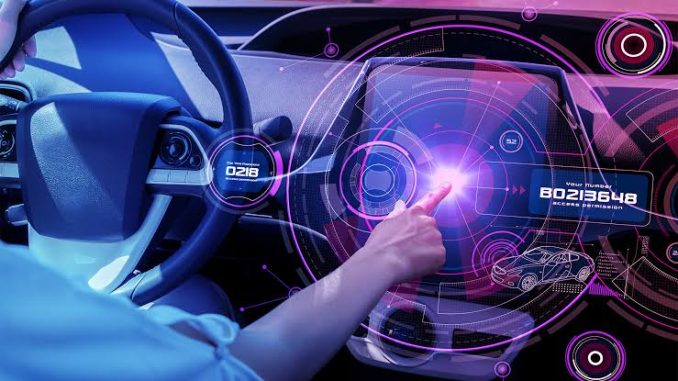
One of the most noticeable advancements in car infotainment technology is the widespread adoption of touchscreen displays. These high-resolution displays serve as the central interface for accessing and controlling various features and functions of the infotainment system, from audio and navigation to climate control and vehicle settings. Touchscreen displays provide intuitive and responsive interaction, allowing drivers and passengers to navigate menus, input commands, and access information with ease.
Voice Recognition:
Another key feature of modern infotainment systems is voice recognition technology, which enables drivers to control various functions of the system using natural language commands. With voice recognition, drivers can make hands-free phone calls, send text messages, play music, and even adjust climate control settings without taking their hands off the wheel or their eyes off the road. Voice recognition systems use advanced algorithms to interpret spoken commands accurately and respond quickly, providing a safer and more convenient way to interact with the infotainment system while driving.
Smartphone Integration:
Smartphone integration is another important feature of modern infotainment systems, allowing drivers to seamlessly connect their smartphones to the car’s onboard system and access a variety of apps and services. With smartphone integration, drivers can use popular apps like music streaming services, navigation apps, and messaging platforms directly from the infotainment system’s interface, reducing distractions and enhancing the driving experience. Many infotainment systems support both Apple CarPlay and Android Auto, providing compatibility with a wide range of smartphones and ensuring a seamless user experience for drivers of all devices.
Connected Services:
In addition to entertainment and communication features, modern infotainment systems also offer a variety of connected services that provide drivers with real-time information and assistance. These services include traffic updates, weather forecasts, local points of interest, and even emergency assistance in the event of an accident or breakdown. By leveraging internet connectivity and cloud-based services, infotainment systems can keep drivers informed and aware of their surroundings, helping them navigate more efficiently and safely on the road.
Customization and Personalization:
One of the most appealing aspects of modern infotainment systems is their ability to be customized and personalized to suit the preferences and needs of individual drivers. From customizable home screens to personalized user profiles, infotainment systems offer a range of options for tailoring the user experience to each driver’s liking. Whether it’s adjusting audio settings, rearranging icons, or setting favorite destinations, drivers can easily customize their infotainment system to create a personalized and enjoyable driving environment.
Conclusion:
Infotainment systems have become an integral part of the modern driving experience, offering a wide range of features and functionality that enhance safety, convenience, and entertainment on the road. From touchscreen displays to voice recognition to smartphone integration, today’s infotainment systems provide drivers and passengers with a wealth of options for staying connected and entertained while traveling. As technology continues to evolve, we can expect to see even more innovations in car infotainment systems in the years to come, further enhancing the driving experience and making time on the road more enjoyable for everyone.