Introduction:
The future of mobility is undergoing a profound transformation with the emergence of autonomous vehicles and innovative urban transportation solutions. From self-driving cars to electric scooters to on-demand ride-sharing services, cities around the world are embracing new technologies and mobility options to address congestion, pollution, and the challenges of urbanization. In this article, we’ll explore the future of mobility, the role of autonomous vehicles in urban transportation, and the potential benefits for cities and communities.
Autonomous Vehicles in Urban Transportation:
Autonomous vehicles have the potential to revolutionize urban transportation by offering safe, efficient, and convenient mobility solutions for residents and visitors alike. In densely populated cities, where traffic congestion and limited parking space are common challenges, autonomous vehicles can help alleviate congestion and reduce the need for private car ownership by providing on-demand transportation services that are shared, electric, and autonomous.
One of the key benefits of autonomous vehicles is their ability to optimize traffic flow and reduce congestion on city streets. By using advanced sensors and artificial intelligence algorithms, autonomous vehicles can anticipate traffic patterns, avoid collisions, and coordinate with other vehicles to minimize delays and maximize efficiency. This not only reduces travel times for passengers but also improves the overall safety and reliability of urban transportation systems.
Autonomous vehicles also have the potential to improve accessibility and mobility for people with disabilities and other underserved populations. By providing door-to-door transportation services that are accessible and affordable, autonomous vehicles can help people with mobility challenges overcome barriers to employment, education, and social participation, enabling them to lead more independent and fulfilling lives.
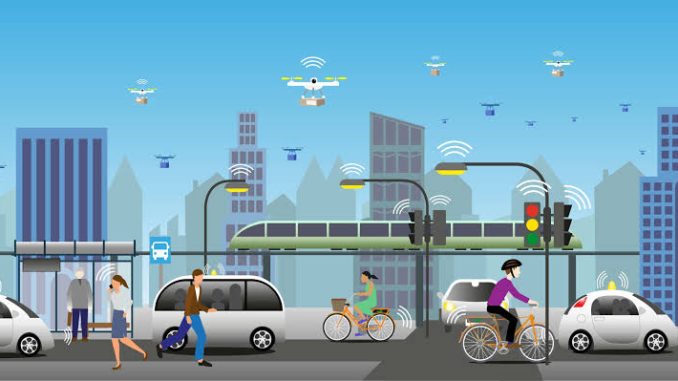
In addition to passenger transportation, autonomous vehicles can also revolutionize goods delivery and logistics in urban areas. Autonomous delivery vehicles and drones can efficiently transport goods and packages between warehouses, distribution centers, and customers, reducing traffic congestion, emissions, and delivery times. By integrating autonomous vehicles into the urban freight network, cities can optimize the movement of goods and improve the efficiency of urban logistics operations.
Challenges and Considerations:
While the potential benefits of autonomous vehicles in urban transportation are significant, there are also several challenges and considerations that need to be addressed to realize this vision. One of the primary challenges is safety, as autonomous vehicles must demonstrate a level of reliability and performance that meets or exceeds the safety standards of human drivers. Ensuring the safety of autonomous vehicles requires rigorous testing, validation, and regulation to address potential risks and vulnerabilities in the technology.
Another challenge is public acceptance and trust in autonomous vehicles, as many people may be hesitant to trust their safety and well-being to self-driving cars. Building public trust in autonomous vehicles requires transparency, education, and demonstration of their safety and reliability through real-world testing and deployment. Governments, industry stakeholders, and advocacy groups must work together to address concerns about privacy, cybersecurity, and liability and communicate the potential benefits of autonomous vehicles to the public.
In addition to safety and public acceptance, there are also regulatory and legal challenges associated with the deployment of autonomous vehicles in urban areas. Governments and regulatory agencies must establish clear guidelines and standards for the testing, operation, and deployment of autonomous vehicles to ensure public safety and confidence in the technology. This includes defining liability frameworks, insurance requirements, and certification processes for autonomous vehicles and their manufacturers.
Conclusion:
The future of mobility is bright, thanks to advancements in autonomous vehicles and urban transportation technologies that are reshaping the way we move and interact with our cities. By embracing innovation, collaboration, and sustainability, cities can create transportation systems that are safer, more efficient, and more accessible for all residents and visitors. As autonomous vehicles continue to evolve and mature, we can look forward to a future where cities are smarter, cleaner, and more connected, offering a higher quality of life for everyone who calls them home.