Introduction:
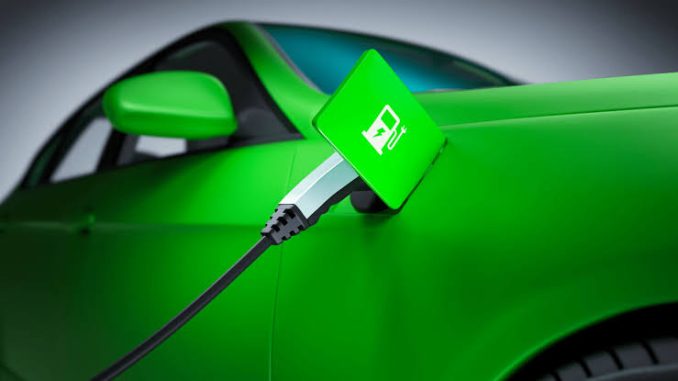
The electric revolution is in full swing, as more and more consumers, businesses, and governments embrace electric vehicles (EVs) as a key solution to combat climate change and reduce dependence on fossil fuels. With advancements in battery technology, charging infrastructure, and government incentives, electric vehicles are becoming increasingly accessible and affordable, driving a transition towards a cleaner, greener transportation system. In this article, we’ll explore the electric revolution, its impact on the automotive industry, and the benefits of transitioning to electric vehicles.
Rise of Electric Vehicles:
Electric vehicles have seen a dramatic rise in popularity in recent years, driven by a combination of technological advancements, environmental awareness, and government support. The introduction of long-range electric cars, such as the Tesla Model S and the Nissan Leaf, has helped dispel concerns about range anxiety and performance, making electric vehicles a viable option for everyday use. In addition, government incentives, such as tax credits, rebates, and subsidies, have helped reduce the upfront cost of electric vehicles and incentivize consumers to make the switch from gasoline-powered cars.
Advancements in Battery Technology:
One of the key enablers of the electric revolution is advancements in battery technology, which have led to improvements in energy density, charging times, and affordability. Lithium-ion batteries, the most common type of battery used in electric vehicles, have seen significant improvements in recent years, allowing for greater energy storage capacity and longer driving ranges on a single charge. In addition, research into new battery chemistries, such as solid-state batteries and lithium-sulfur batteries, holds the promise of further enhancing the performance and affordability of electric vehicles in the future.
Charging Infrastructure:
Another critical aspect of the electric revolution is the development of charging infrastructure to support the growing number of electric vehicles on the road. Charging infrastructure includes a network of charging stations, ranging from slow-charging Level 1 stations to fast-charging Level 3 stations, that allow electric vehicle owners to recharge their vehicles’ batteries conveniently and efficiently. Governments, utilities, and private companies are investing in expanding the electric vehicle charging network, installing charging stations in public places such as shopping centers, workplaces, and highways to make charging more accessible and convenient for drivers.
In addition to traditional charging stations, advancements in fast-charging technology are making it possible to recharge electric vehicles quickly, reducing charging times from hours to minutes. Fast-charging stations, also known as DC fast chargers, can provide a significant amount of power to the battery in a short amount of time, allowing drivers to quickly top up their charge and get back on the road. As fast-charging infrastructure continues to expand, range anxiety – the fear of running out of battery power – is becoming less of a concern for electric car drivers, making electric vehicles a more practical and viable option for everyday use.
Environmental Benefits:
One of the most significant benefits of the electric revolution is its positive impact on the environment. Electric vehicles produce zero tailpipe emissions, meaning they do not emit harmful pollutants such as carbon dioxide (CO2), nitrogen oxides (NOx), and particulate matter (PM) during operation. By transitioning to electric vehicles, we can significantly reduce air pollution and improve public health, especially in urban areas where vehicle emissions are a major contributor to poor air quality and respiratory diseases.
In addition to reducing air pollution, electric vehicles also help mitigate climate change by reducing greenhouse gas emissions from the transportation sector. By using electricity as a fuel source, electric vehicles can be powered by renewable energy sources such as solar, wind, and hydroelectric power, further reducing their carbon footprint and promoting the transition to a low-carbon economy. Studies have shown that widespread adoption of electric vehicles could lead to significant reductions in greenhouse gas emissions and help limit global warming to below 2 degrees Celsius, as outlined in the Paris Agreement.
Conclusion:
The electric revolution is transforming the automotive industry and driving us towards a greener, more sustainable future. With advancements in battery technology, charging infrastructure, and government incentives, electric vehicles are becoming increasingly accessible and affordable for consumers around the world. By transitioning to electric vehicles, we can reduce air pollution, mitigate climate change, and create a cleaner, healthier planet for future generations. As the electric revolution continues to accelerate, we can look forward to a future where transportation is powered by clean, renewable energy sources, and electric vehicles are the norm rather than the exception.